

Your car should travel in a straight line without requiring constant steering adjustments. When something feels off, the problem might be hiding in your wheel alignment. Misaligned wheels can affect handling, wear down tires faster, and make everyday driving less comfortable. Unfortunately, the warning signs aren’t always obvious, especially when problems develop gradually. Knowing what to watch for can help you catch alignment issues early, protect your tires, and avoid unnecessary repair costs before minor handling problems turn into bigger headaches.
Your Car Pulls to One Side While Driving
One of the most noticeable signs of poor wheel alignment is a vehicle that consistently pulls toward the left or right. You might find yourself making small steering corrections just to keep your car traveling straight. While roads often have a slight slope for drainage, persistent pulling on a relatively flat, straight road can indicate an alignment problem. The issue may feel more obvious at higher speeds, when even small changes in steering become noticeable.
However, pulling doesn’t automatically mean your wheels are misaligned. Uneven tire pressure, tire defects, dragging brakes, and worn suspension components can cause similar symptoms. Start by checking that your tires are inflated to the manufacturer’s recommended pressure. If the problem continues, schedule an inspection. A technician can identify whether alignment adjustments are needed or another mechanical issue is affecting your vehicle’s handling.
Your Steering Wheel Looks Crooked When Driving Straight
Your steering wheel should generally sit centered when your vehicle is traveling straight ahead. If the wheel appears tilted to one side while you’re driving on a straight, level road, your alignment may need attention. You might notice that the steering wheel’s logo isn’t upright or that you have to hold the wheel slightly off-center to maintain your direction. Even when the car doesn’t noticeably pull, an off-center steering wheel can indicate an alignment issue.
The problem can develop after hitting a pothole, striking a curb, or driving over rough pavement. It may also appear following suspension or steering repairs if the alignment wasn’t checked afterward. Don’t assume a crooked steering wheel is merely a cosmetic annoyance. A professional alignment inspection can determine whether the wheels are positioned correctly and whether any steering or suspension components need attention before adjustments are made.
Your Tires Are Wearing Unevenly
Uneven tire wear is another common warning sign that your wheels aren’t properly aligned. When tires don’t meet the road at the correct angles, certain areas of the tread may experience more friction than others. You might notice that the inside or outside edge of a tire looks significantly more worn than the rest. Feathering, where tread blocks feel smooth in one direction and sharp in the other, can also suggest an alignment problem.
Inspect your tires regularly rather than waiting until they’re due for replacement. Compare the tread across each tire and look for unusual differences between the front and rear wheels. Keep in mind that improper inflation, worn suspension parts, and neglected tire rotations can also create uneven wear. If you notice suspicious patterns, have the tires and alignment inspected. Catching problems early can help prevent premature tire replacement and improve road safety.
Your Steering Feels Loose or Unstable
A properly functioning steering system should feel predictable and responsive. If your car seems to wander within its lane or requires frequent corrections, something may be wrong with the alignment or steering components. You might also notice that the vehicle feels less stable during turns or doesn’t respond as smoothly as it once did. Problems that develop gradually can be particularly easy to overlook because drivers often adjust their habits without realizing anything has changed.
Poor alignment can contribute to unstable handling, but loose steering may also indicate worn tie rods, ball joints, or other suspension components. Such problems can affect your ability to control the vehicle and shouldn’t be ignored. If the steering suddenly feels unusually loose, unpredictable, or difficult to control, stop driving when it’s safe and arrange a professional inspection. Correcting the underlying issue is more important than simply adjusting the wheel angles.
You’ve Recently Hit a Pothole or Curb
Potholes, curbs, and rough road surfaces can place considerable stress on your vehicle’s wheels and suspension. A particularly hard impact may change alignment angles or damage components that help keep the wheels properly positioned. Even if your vehicle appears fine immediately afterward, you might notice steering changes or unusual tire wear over the following days. Repeated impacts from poorly maintained roads can also contribute to alignment problems over time.
After hitting a significant pothole or curb, pay attention to how your car handles. Check for visible tire damage, wheel bends, unusual vibrations, and changes in steering behavior. If you notice anything unusual, arrange an inspection rather than waiting for the next scheduled service. A technician can examine the wheels, tires, and suspension before performing an alignment. Adjustments alone won’t solve problems caused by bent or damaged parts, so identifying the full extent of any damage matters.
Understanding What Happens During a Wheel Alignment
A wheel alignment involves measuring and adjusting the angles at which your vehicle’s wheels sit relative to the road and one another. Technicians typically focus on three measurements: camber, caster, and toe. Camber describes how much a wheel tilts inward or outward, caster relates to the steering axis angle, and toe measures whether the wheels point slightly toward or away from each other. Each setting affects handling, stability, or tire wear.
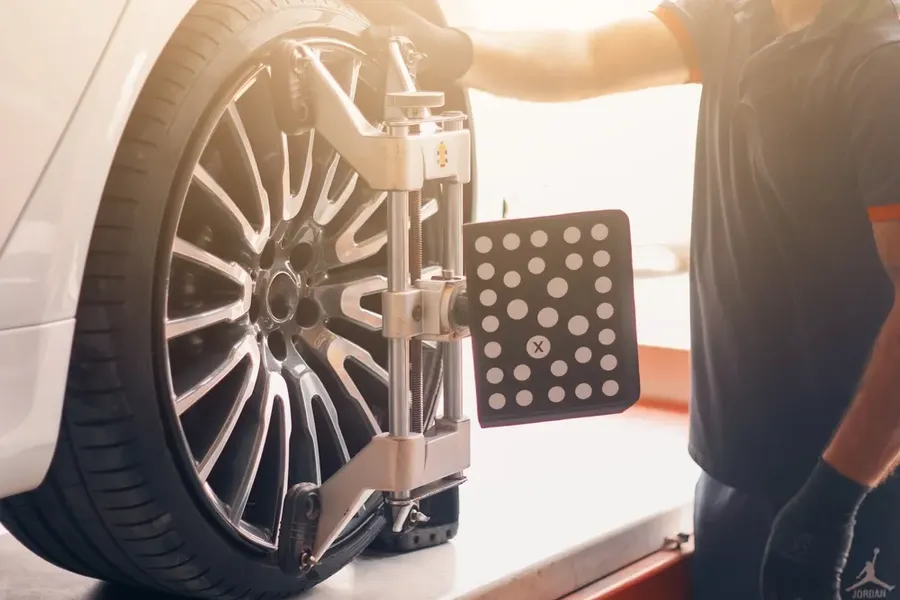
During an alignment service, a technician uses specialized equipment to compare the vehicle’s wheel angles against manufacturer specifications. Adjustments are made where the vehicle’s design allows, helping the wheels work together correctly. Some vehicles require additional repairs or replacement parts before proper alignment can be restored. It’s also worth knowing that wheel alignment differs from tire balancing. Balancing addresses uneven weight distribution in a wheel and tire assembly, while alignment corrects wheel positioning.
A Smoother Ride Starts With Proper Alignment
Wheel alignment plays an important role in keeping your vehicle comfortable, predictable, and safe to drive. Pulling to one side, a crooked steering wheel, uneven tire wear, and unstable handling can all indicate that something needs attention. Recognizing the warning signs early gives you a better chance of correcting problems before they lead to expensive tire damage or more serious handling concerns.
There’s no universal mileage interval for wheel alignments because driving conditions, vehicle design, and manufacturer recommendations vary. Rather than scheduling adjustments unnecessarily, pay attention to changes in how your car drives and have the alignment checked when symptoms appear. It’s also sensible to request an inspection after a significant road impact or certain suspension repairs. A properly aligned vehicle helps tires wear more evenly, supports confident steering, and makes everyday driving a little less stressful.